


News and Blogs
25/04/2026 2026-04-28 13:04News and Blogs
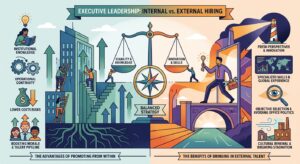
Debate 4: Corporate Practices
Corporate leadership strategies have evolved dramatically over the past few decades. Historically, major firms relied heavily on predictable, lifelong career ladders in which executives progressed from entry-level positions to the C-suite. However, with rapid technological disruption and globalization, many organizations now look to external recruitment to fill critical executive roles. This shift has sparked an intense corporate debate: Should companies prioritize promoting from within, or look outside to secure top leadership talent?
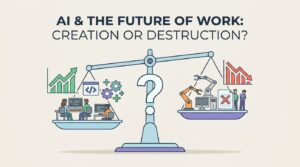
Debate 3: Technology
Throughout history, every major technological leap has sparked deep societal anxiety about the future of work. From the Industrial Revolution to the rise of personal computers and the internet, the fear that machines would render human labour obsolete has been a recurring theme. Today, with the rapid deployment of Artificial Intelligence (AI), this debate has returned to the forefront of the global economy. The central question we face is critical: Will AI ultimately destroy more jobs than it creates, or will it act as a catalyst for unprecedented employment growth? Let’s explore both sides of the debate.

Debate 2: Culture and Language
For centuries, one’s identity was closely tied by their voice and the unique dialect they spoke. Every language in the world evolved to hold and preserve the history, culture, and wisdom of its speakers. With the rise and rapid spread of globalisation, this process began to change. Learning different languages became a necessity to keep up and enhance communication with the rest of the world, shifting the uniqueness of communication to a standardised central language.

What Does a University Education Really Cost?
University fees are an entirely legitimate subject for discussion. Higher education represents a significant investment for most families, and anyone considering university should ask what it will cost, what they will receive in return and whether that investment represents good value.

How Strong Systems Develop Over Time
When we encounter an organisational system that works particularly well, it is easy to assume that somebody must have designed it in its finished form. The different parts fit together, common problems appear to have been anticipated and people seem to understand what should happen next. The system can appear to possess an intelligence of its own, giving the impression that an exceptionally capable person once understood the whole problem and created the complete answer.

From Playing to Creating: Why Gaming Can Lead to a Serious Career
This morning, as we brought our first Euro Game Jam to a close, I was struck by the difference between what could be seen on the surface and what was really happening underneath. On the surface, there were screens, controllers, competition and games. Underneath, young people were thinking strategically, making decisions under pressure, solving technical problems, testing ideas, working in teams and creating something that did not exist before.