


المدونة
27 نوفمبر، 2025 2025-11-27 11:26المدونة
Teaching and Learning Bulletin
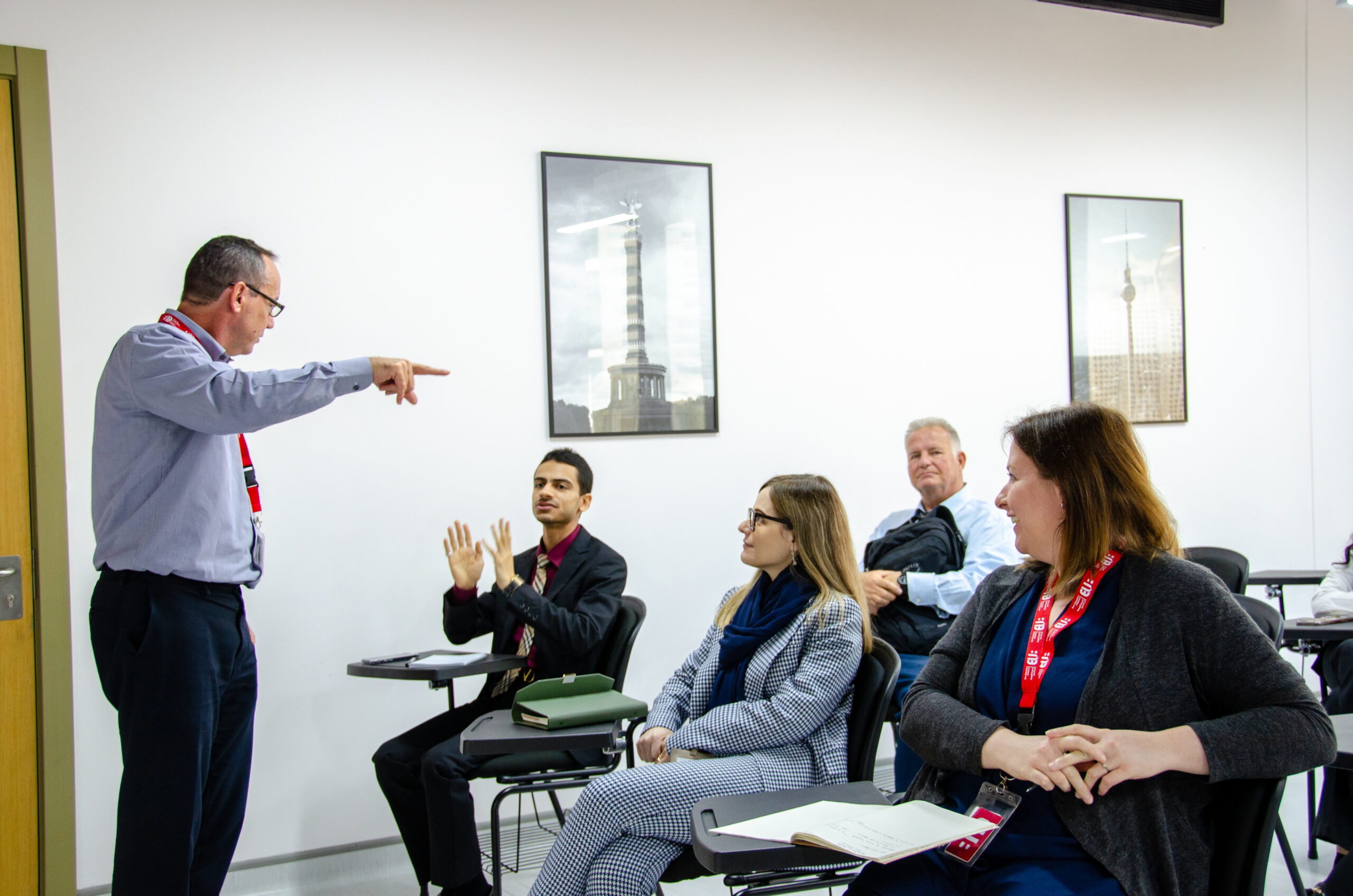
Using reflective moments to share, evidence, and enhance our practice In a previous Teaching and Learning seminar, we explored reflection on action. This is the process of examining our teaching after the event to learn, refine, and grow. This week, we started to look at ways in which we can make the idea explicit and shareable. Our focus was on how we, as an academic team, can evidence and share our practice, where we shared the process of what we do, learn from each other, and think critically about how to make it better. In our session, we examined how reflection becomes meaningful when it’s linked to evidence of practice student work, feedback, classroom observations, and specifically examples of active learning in action. Our focus was about moving from “What did I teach?” to “How do I know my students learned?”. The seminar put forward the notion that once we start to engage with the practice or the idea of Donald Schön’s concept of reflection on action, is it then possible to share the moments of reflection and change amongst ourselves? What the seminar wanted to reach was answers to the following: The opportunity to share our work with our colleagues means that our reflection can become collaboration where there is a collective process of learning and improvement. Why does this matter? Across the sector, expectations from students in terms of what they want from their academic lecturers and from their studies have changed. Expectations for evidence-based teaching has also grown. Frameworks such as the BQA Review and the UK Teaching Excellence Framework (TEF) both highlight the importance of demonstrating impact through student engagement and valuing teaching. At EUB, this means moving from describing the principles that underpin our teaching methods to showing their effectiveness. Our focus is on beginning to collect concrete “reflection on action” examples which are supported by videos, photographs, or annotated student work that capture how active learning strategies are used in practice. This not only helps us meet external expectations but, more importantly, strengthens our internal culture of professional learning. We believe that good teaching is framed through clear expectations, support, and a shared culture of continuous improvement. How can we do it in practice? Our seminar discussions centred on practical ways to make reflection visible and actionable: By embedding these cycles of evidence and reflection, we aim to find out if we can begin to see a clearer picture of our impact on students’ engagement, confidence, and skills. Sharing Good Practice at EUB As a teaching community, sharing is one of our most powerful tools for improvement. When colleagues talk about what works, show examples of activities, and reflect openly on challenges, we aim to begin to build a collective knowledge base that benefits us all. As a follow up to the seminar, the TLC will continue to develop opportunities for cross-disciplinary sharing, where colleagues can showcase their reflections and evidence in a supportive environment. The TLC will support academic faculties to: Our collective goal is to move beyond simply carrying out reflection to embedding a culture of inquiry, evidence, and professional collaboration across EUB. References Schön, D.A. (1983). The Reflective Practitioner: How Professionals Think in Action. Basic Books. EUB Teaching and Learning Centre (2025). Reflection on Action Seminar and Portfolio Framework.
Teaching and Learning Bulletin
Reflection on Action: Making Reflection a Shared Professional Practice During our Teaching and Learning seminar on Reflection on Action, colleagues explored what it means to pause, examine, and learn from our teaching experiences. Drawing on Donald Schön’s influential concept of reflection on action, we discussed how reflective practice can deepen our professional learning and shape our approach to teaching. What is Reflection on Action? Schön (1983) described reflection on action as the deliberate, critical examination of one’s practice after the event that is the process of looking back on what happened, analysing decisions made, and considering how they might inform future action. In a simplified framework, it’s about transforming experience into learning by asking: What happened? Why did it happen that way? What might I do differently next time? This form of reflection moves beyond instinctive reaction. It invites us to unpack the assumptions, strategies, and values that underpin our practice, revealing what Schön termed our “theory-in-use” which are the implicit or unspoken principles that guide our teaching decisions. As Harrison (2012) notes, it is through a framework of reflection that teachers begin to build genuine professional knowledge and move from technical reflection (“what went wrong?”) toward critical reflection (“why do I teach this way, and to what end?”). Why Does It Matter? Teaching is dynamic, and our academic sessions are full of moments that deserve a second look. Reflection on action allows us to transform these moments into insights. It helps us frame and reframe our understanding of teaching challenges and reminds us that learning to teach is an ongoing, evolving process. Critically, reflective practice also prevents teaching from becoming routine or mechanical. As Schön warned, when reflection-in-action (the decisions made in the moment) is not followed by reflection-on-action, professional knowledge can become stagnant. Instead, engaging in structured reflection which is improved when supported by dialogue with peers can create a space for growth and innovation. During our seminar, colleagues where able to discuss the implications of the theory as well as teaching experiences, questioning not only what worked but why it worked, and how student responses might have been shaped by our choices. How Can We Make It Work in Practice? In higher education, reflective practice can take many forms from informal conversations after class to structured peer review or written reflection. What matters is that reflection is purposeful, evidence-informed, and dialogic rather than solitary. At EUB, we are beginning to frame reflection on action through three complementary modes: These stages mirror Harrison’s (2012) conception of professional reflection as a movement from noticing and analysing towards transforming one’s understanding of practice. In our seminar, participants explored this progression by working through Schön’s What? So What? Now What? model a simple way of structuring reflection. Reflection and Professional Learning Reflection is most effective when it is shared. Schön himself cautioned against what he called “echo chambers of self-limiting reflection,” arguing that professional growth happens through dialogue and collaboration. This resonates strongly with the collegial culture we are building at EUB. By engaging with each other’s experiences in seminar sessions, peer observations, or informal discussions we aim to improve our individual practice but also contribute to collective professional learning. How the Teaching and Learning Centre Can Support You The Teaching and Learning Centre at EUB supports staff in embedding reflective practice across their teaching. We offer structured opportunities to engage in reflection through our seminar series, peer learning groups, and individual consultations. Our goal is to make reflection a sustained, shared process helping you to analyse your practice, identify areas for development, and experiment with new strategies. Schön’s notion of reflection on action reminds us that teaching develops through inquiry, experimentation, and continual adaptation. References Harrison, J. (2012) Professional Learning and the Reflective Practitioner. In Dymoke, S. (ed.) Reflective Practice and Professional Development in Education. Sage Publications. Schön, D.A. (1983) The Reflective Practitioner: How Professionals Think in Action. Basic Books.
Teaching and Learning Bulletin
Learning Outcomes: Linking Constructive Alignment and Employability Skills I recently led a Teaching and Learning seminar that focused on how we write, use, and reflect on learning outcomes. The session explored constructive alignment (Biggs and Tang 2011) and how our learning outcomes can do more than list intentions. Learning outcomes should become active tools for designing meaningful learning experiences. In addition to this we looked at ways we can complement good learning outcomes in ways that help our students develop employability skills alongside academic knowledge. What are learning outcomes? Learning outcomes articulate what students should be able to do, demonstrate, or understand by the end of a session, module, or programme. Biggs and Tang (2011) describe constructive alignment as the process of ensuring that learning outcomes, learning activities, and assessments work together in an integrated way to support deep, active learning.In the seminar we focused on the framework, thinking about the following questions: When these three questions align, the outcome verbs (“explain”, “analyse”, “apply”) drive the learning design. Activities should engage the same verbs, and assessments should allow students to demonstrate them. As the presentation and ppt slides aimed to emphasize “learning is about what the student does, not what we as teachers do”. Why does this matter? The concept of constructive alignment is influential in higher education because it connects curriculum design directly to student learning. However, as Loughlin, Lygo-Baker, and Lindberg-Sand (2021) note, alignment should not be treated as a bureaucratic exercise but reclaimed as a professional tool that helps lecturers think deeply about the purpose and coherence of their teaching. When learning outcomes are genuinely student-centred, they become more than statements for quality assurance validation. Learning outcomes help clarify the intent of a module, guide student engagement, and make assessment transparent. Most importantly, I believe they allow us to build in transferable and employability skills that prepare students for life beyond the classroom. How can we seek to integrate Learning Outcomes and employability skills in practice? The simple answer here is to make explicit what it implicit in the actions and activities our students participate in. As lecturers we can raise awareness in our students of the type of activity or task they are doing and how this links to employability skills. It gives purpose to the task. Our discussions during the session showed that constructive alignment is most effective when it is lived in the design of classroom activities. For example, in the Law Unit 1 session, lecturers explored how the verbs used in outcomes (“explain”, “discuss”, “analyse”) could guide activity design that develops specific employability skills. Some examples included: Each of these activities supports both the intended learning outcome and a transferable skill such as collaboration, problem-solving, or communication. In turn this aligns academic learning with employability development. Embedding employability skills through outcomes Employability at EUB is not an add-on but integral to our graduate journey. By writing outcomes that reflect both disciplinary knowledge and transferable skills, we can show students how classroom learning connects to the competencies valued by employers and society. For instance: Through constructive alignment, the learning outcomes we select and the activities we design to support them can explicitly nurture the attributes and employability skills we value across the university. How the Teaching and Learning Centre can support you As the seminar aimed to demonstrate The Teaching and Learning Centre works with academic staff to refine and align learning outcomes, teaching activities, and assessment design. We provide guidance on writing outcomes that integrate both academic and employability dimensions, as well as workshops and peer-sharing sessions that showcase effective practice. Constructive alignment is not a checklist. It is a way of thinking about teaching that aligns learning and skills development. By consciously aligning our outcomes, activities, and assessments, we not only make our teaching more coherent but also empower students to become active, employable learners ready to shape their own futures. In future seminars, we will continue to explore ways of connecting constructive alignment with employability frameworks, ensuring that our students can clearly see the skills they develop through their studies. References: Biggs, J, and Tang C. (2011) Teaching for Quality Learning at University: What the Student Does. 4. ed. SRHE and Open University Press Imprint. Maidenhead: McGraw-Hill, Society for Research into Higher Education & Open University Press. Loughlin, C, Lygo-Baker, S & Lindberg-Sand Å (2021) Reclaiming constructive alignment, European Journal of Higher Education, 11:2, 119-136, DOI: 10.1080/21568235.2020.1816197
What Do We Value in a University?
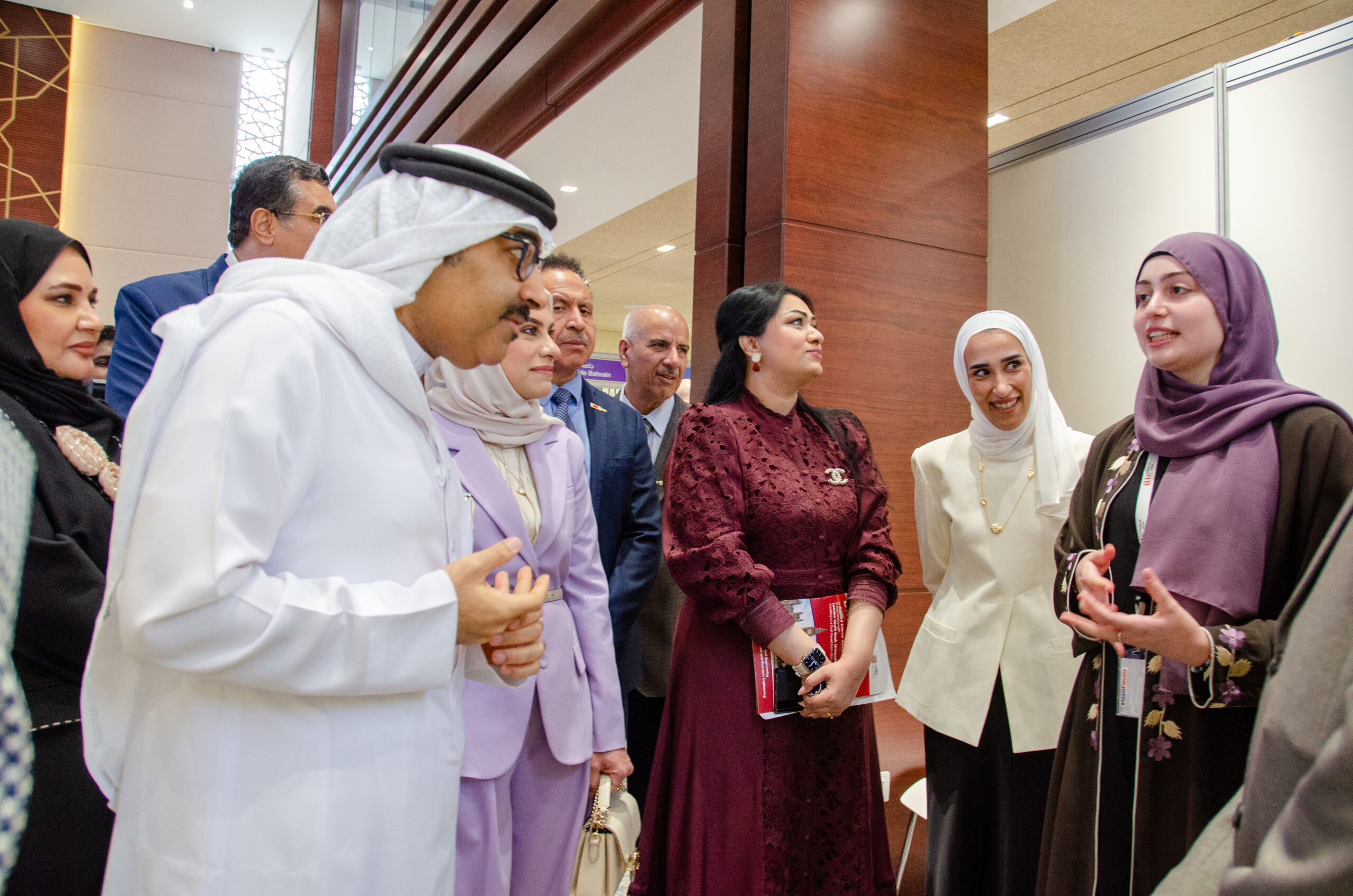
This week I’ve been attending education fairs and meeting prospective students and their families. It reminded me that to maximise