Resource

Not Everything That’s Asked For Should Be Given

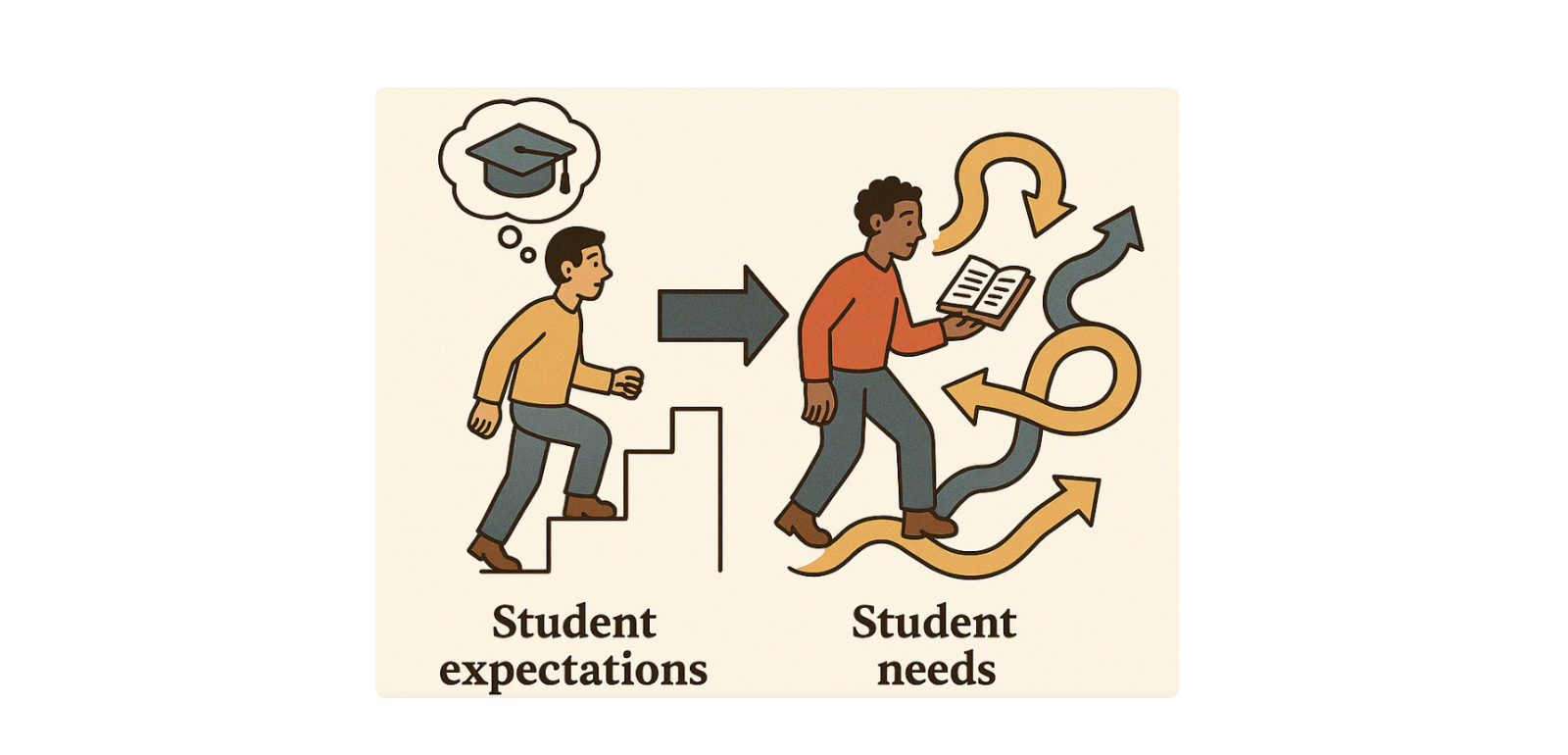
One of the realities of higher education is that students arrive with very different expectations. Some are focused on the long-term. Others are trying to get through the next step. Some want a full experience. Others are simply looking for a recognised degree and a clear outcome. None of that surprises me. It’s not our job to label those motivations as right or wrong. But it is our job to be clear about what kind of institution we’re building. At Euro University of Bahrain, we’ve made deliberate choices—about our curriculum, our teaching and the wider student experience. That includes structured internships from the first year, real-world projects and teaching that encourages reflection and independent thinking—not just to reinforce theory, but to prepare students for the kinds of decisions they’ll face beyond the classroom. It’s designed not only for those who arrive seeking challenge and growth, but also for those who might discover those ambitions through the experience itself. That won’t appeal to everyone. And that’s fine. We’d rather be clear about what we stand for than try to be everything to everyone. Here’s the challenge. What students often want is simplicity, structure and predictability. What they’ll actually need—in the workplace—is the ability to think critically, make decisions without perfect information, communicate clearly and adapt under pressure. And that’s not something you can bolt on at the end of a degree. It has to be built into the experience from the beginning. That’s the EUB model. 𝘕𝘰𝘵 𝘢𝘭𝘸𝘢𝘺𝘴 𝘸𝘩𝘢𝘵 𝘴𝘵𝘶𝘥𝘦𝘯𝘵𝘴 𝘦𝘹𝘱𝘦𝘤𝘵—𝘣𝘶𝘵 𝘮𝘰𝘳𝘦 𝘰𝘧𝘵𝘦𝘯 𝘵𝘩𝘢𝘯 𝘯𝘰𝘵, 𝘦𝘹𝘢𝘤𝘵𝘭𝘺 𝘸𝘩𝘢𝘵 𝘵𝘩𝘦𝘺 𝘯𝘦𝘦𝘥𝘦𝘥.
Read More »

To Teach is to Prompt Reflection

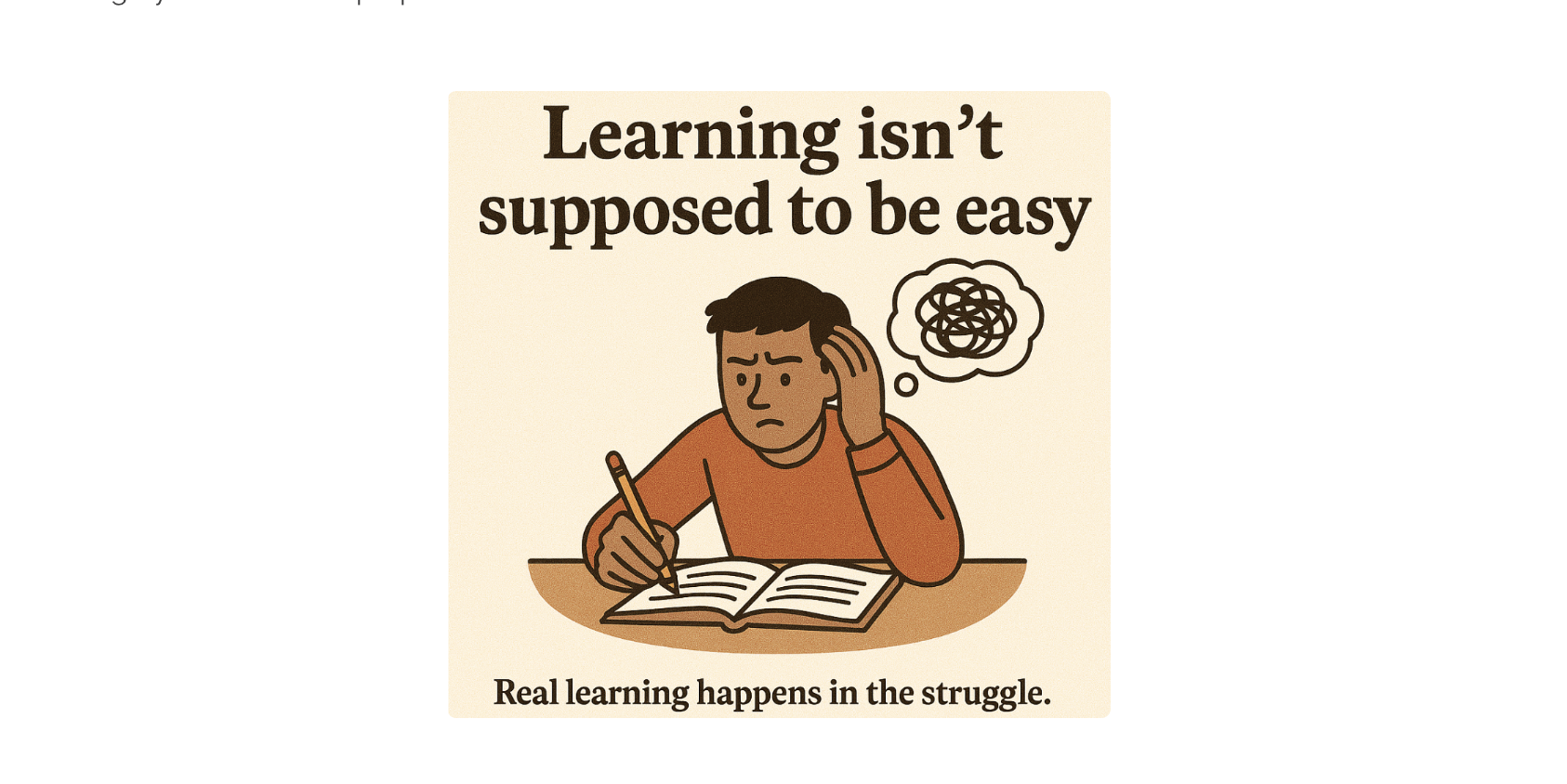
Good teaching isn’t about transferring knowledge from one person to another. It’s about encouraging the learner to pause, to re-examine and sometimes to rethink what they thought they already knew. That kind of education isn’t always easy. It asks students to reconsider what they know, not just to remember it. And that can be uncomfortable. But if we want to prepare young people for a world that is fast-changing, ambiguous and often contradictory, then we have to help them develop the confidence to sit with uncertainty. We have to prompt curiosity, not just deliver conclusions. At Euro University of Bahrain, this is part of our academic culture. Yes, we want our students to succeed in their assessments and careers. But more than that, we want them to ask better questions and to develop the critical judgement to navigate complex realities. That takes time, patience and a very human kind of teaching. The most rewarding moments are not when students find the “right” answer, but when they pause and say – I hadn’t thought about it that way before. 𝘛𝘩𝘢𝘵’𝘴 𝘵𝘩𝘦 𝘮𝘰𝘮𝘦𝘯𝘵 𝘵𝘩𝘦 𝘭𝘦𝘢𝘳𝘯𝘪𝘯𝘨 𝘣𝘦𝘨𝘪𝘯𝘴.
Read More »

Where Education Meets Markets

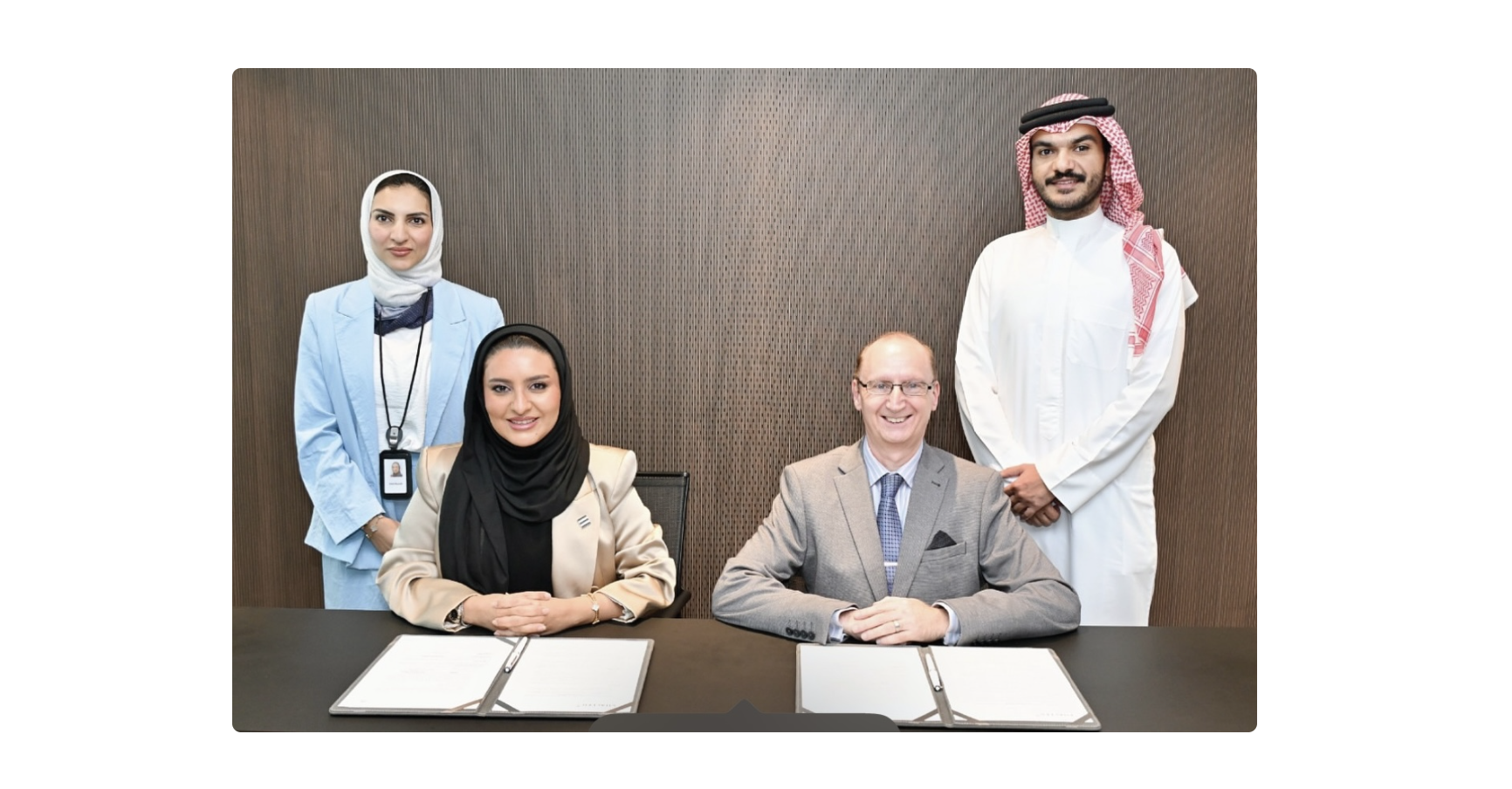
This week, something quietly powerful took place in the heart of Bahrain Bay. In a district built around investment, capital and long-term economic vision, education walked through the front door—sat at the table—and began a conversation about access, structure and possibility. Together with Mrs Ameera Alabbasi, Director of Individual Banking at Khaleeji Bank, I had the privilege of signing an MoU that lays the foundation for a new Sharia-compliant educational financing solution for EUB students and their families. Also present at the signing were Mr Salman Aljanahi, our Chief Operating Officer and a son of EUB’s founder, Dr Ahmed AlJanahi, and Ms Dalal Buasalli, Product Development Specialist at Khaleeji Bank. Salman’s leadership was central to making this partnership a reality—from first conversations to final agreement. It reflects the same vision his family has championed from the start: one where education isn’t just a destination, but a bridge to opportunity, contribution and long-term national impact. This is exactly what we mean when we say that Euro University of Bahrain is where education meets markets. It’s more than a tagline. It’s a philosophy we build toward every day. We offer world-class degrees. But just as importantly, we design the systems that support learning: structured internships from the Foundation Year, a financial support framework that reduces barriers, and—soon—a new path to affordable financing, developed with care and purpose. We’re grateful to the senior team at Khaleeji Bank for their trust and clarity of vision. They understand what’s at stake, and they bring practical tools to a shared national mission. 𝘌𝘥𝘶𝘤𝘢𝘵𝘪𝘰𝘯 𝘢𝘯𝘥 𝘦𝘤𝘰𝘯𝘰𝘮𝘪𝘤 𝘪𝘯𝘧𝘳𝘢𝘴𝘵𝘳𝘶𝘤𝘵𝘶𝘳𝘦 𝘣𝘦𝘭𝘰𝘯𝘨 𝘪𝘯 𝘵𝘩𝘦 𝘴𝘢𝘮𝘦 𝘳𝘰𝘰𝘮. 𝘞𝘩𝘦𝘯 𝘵𝘩𝘦𝘺 𝘸𝘰𝘳𝘬 𝘪𝘯 𝘤𝘰𝘯𝘤𝘦𝘳𝘵, 𝘵𝘩𝘦𝘺 𝘤𝘳𝘦𝘢𝘵𝘦 𝘳𝘦𝘢𝘭 𝘰𝘱𝘱𝘰𝘳𝘵𝘶𝘯𝘪𝘵𝘺.
Read More »

City Centre Conversations: Supporting Informed Student Decisions.

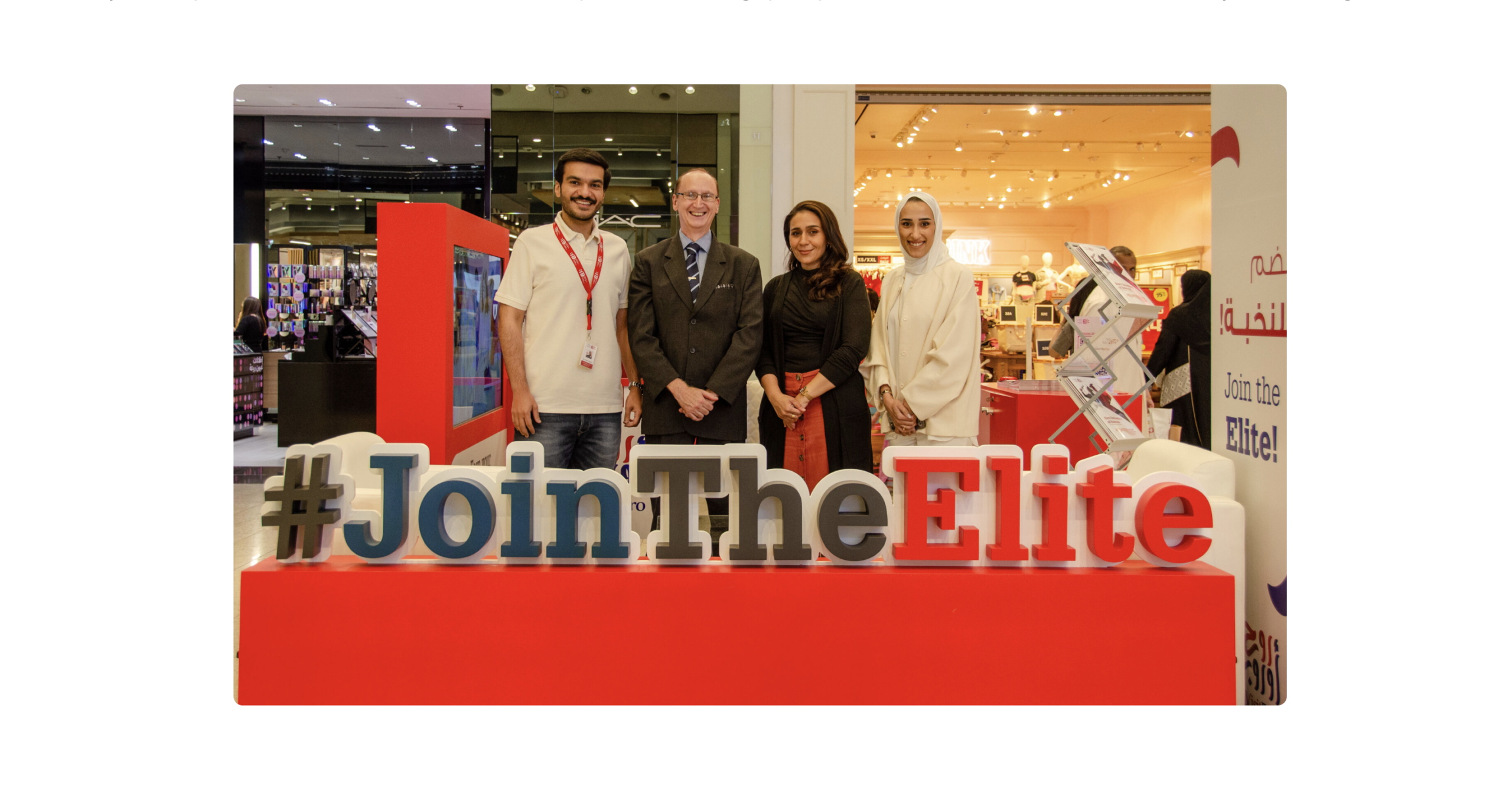
Last weekend, the wonderful team from Euro University of Bahrain (EUB) spent three days at The City Centre Mall speaking with prospective students and their families. I found it a rewarding experience. Conversations ranged from academic goals to future careers, from financial considerations to campus life. And while everyone’s path is different, one theme kept resurfacing: people want to make a decision they won’t regret. At EUB, we believe that choosing a university is more than selecting a programme. Programmes at different universities can appear similar on paper, but the learning experience, academic expectations and support structures can vary significantly. We encourage students to be curious, to visit campuses and to speak with faculty. These decisions deserve time and attention. What we offer at EUB is distinctive. Students study for globally respected University of London degrees. These programmes are designed and updated each year by experts from leading UK institutions. All of our degrees are delivered here in Bahrain by academic staff with extensive international experience. Classes are small, relationships are personal and every learner is known by name. Teaching is interactive and reflective, focused not just on content mastery but on critical thinking and human communications. We invest in student growth beyond the classroom. From their first year, students have access to internships, mentorship opportunities and real-world challenges that help bridge the gap between theory and practice. This approach builds capability and confidence in equal measure. It also reinforces the idea that higher education must prepare students for complexity, collaboration and change. We recognise that finances matter. University is a significant investment for many families. That’s why EUB offers a broad portfolio of full and partial scholarships, as well as bursaries and financial incentives. These are designed to reward potential, support ambition and make our programmes accessible to those who are ready to make the most of them. To anyone considering their options, you are welcome to tour the campus, speak with our team and explore what makes EUB different. Such interactions matter. They help us understand what students and families are looking for, what questions they’re asking and what concerns they carry. At the same time, they give the public a clearer picture of what EUB offers, especially our programmes, our teaching philosophy and our approach to student support. 𝘐𝘧 𝘵𝘩𝘦𝘴𝘦 𝘤𝘰𝘯𝘷𝘦𝘳𝘴𝘢𝘵𝘪𝘰𝘯𝘴 𝘩𝘢𝘷𝘦 𝘩𝘦𝘭𝘱𝘦𝘥 𝘢 𝘧𝘦𝘸 𝘱𝘦𝘰𝘱𝘭𝘦 𝘮𝘰𝘷𝘦 𝘧𝘰𝘳𝘸𝘢𝘳𝘥 𝘸𝘪𝘵𝘩 𝘨𝘳𝘦𝘢𝘵𝘦𝘳 𝘤𝘰𝘯𝘧𝘪𝘥𝘦𝘯𝘤𝘦, 𝘵𝘩𝘦𝘯 𝘰𝘶𝘳 𝘵𝘪𝘮𝘦 𝘢𝘵 𝘊𝘪𝘵𝘺 𝘊𝘦𝘯𝘵𝘳𝘦 𝘸𝘢𝘴 𝘸𝘦𝘭𝘭 𝘴𝘱𝘦𝘯𝘵.

Read More »

Delivering Strategic Plans: Why Culture, Clarity and Ownership Matter

When I wrote Euro University of Bahrain’s five-year strategic plan, that was the easy part. Knowing what you want to achieve is one thing. Assembling the teams and making it happen is something else entirely. I quickly realised that culture is critical to delivering strategy operationally. Culture should be viewed as your company’s operating system—the platform used to get things done. Companies are the sum of their people and it’s essential everyone understands the big picture, how 𝘵𝘩𝘦𝘺 fit in and how 𝘵𝘩𝘦𝘺 contribute. A plan is not a wishful thought or mere hope. I took inspiration from The 7 Habits of Highly Effective People, specifically Habit 2: Start with the end in mind. I wrote our strategic plan backwards. I imagined what we could look like in five years. Then I designed KPIs to track progress towards that vision. Next, I worked backwards again, defining the small steps, tasks and strategic objectives that would bring us closer to the vision. Middle managers play a vital role in operationalising the plan. They translate the strategy into day-to-day actions but often get bogged down in process or simply working long hours. The myth that long hours equal good work is common but wrong. What matters is focusing on the right work. Everyone needs to know their strategic goals, their day-to-day priorities and how their success will be measured. Communication must happen at the right frequency. Quick check-ins daily keep teams aligned. Weekly meetings review progress. Monthly sessions link work back to strategy and allow course corrections. Line management is different from general communication. It’s about supporting individuals, helping them prioritise, clearing obstacles and developing skills. Good line managers turn broad strategy into practical steps for their teams. Creating a culture where everyone feels empowered to act proactively is equally important. When we all have the agency to get things done and improve processes bit by bit, delivery becomes a shared responsibility. This ownership drives steady progress instead of bursts of last-minute effort. Finally, I’ve found the 1% principle invaluable. Small improvements made consistently over time add up to big change. Delivering strategy requires steady progress, day after day. Delivering a strategy requires more than a plan. It needs a culture focused on outcomes, clear communication, strong line management and a commitment to continuous, proactive improvement. The 𝗰𝘂𝗹𝘁𝘂𝗿𝗲 you help build, the 𝗰𝗹𝗮𝗿𝗶𝘁𝘆 you provide and the 𝗼𝘄𝗻𝗲𝗿𝘀𝗵𝗶𝗽 you encourage will determine our collective success.

Read More »

How do you navigate complex and uncertain problems?

In leadership and research, the toughest challenges rarely have straightforward solutions. Often, you don’t have all the data and the connections between actions and results aren’t always obvious. Human behaviour, for example, can be unpredictable. I’ve learned that speed—the steady rhythm of trying, learning and adapting—is essential to making meaningful progress amid uncertainty and complexity. Speed doesn’t mean rushing or cutting corners. It’s about cadence: an iterative rhythm of doing, learning and improving. We start with a minimum viable plan and then act. Good enough, not perfect. We evaluate honestly, discuss openly what worked and what didn’t, and apply those lessons to the next iteration. This approach requires teams who communicate clearly, take genuine agency, and foster transparency. Only with those qualities can continuous improvement become truly embedded in how we work. This matters because many of the challenges we face in education, research or organisational development are complex and cannot be solved by a single, perfect solution. Instead, we chip away at them over time. Having studied for a PhD myself and then supervised more than 65 PhD students, I have witnessed this process in action. A PhD is not about solving a problem in one leap. It is about iteration: testing ideas, learning from setbacks, refining questions and gradually deepening understanding. The more you learn, the more you know; the more you know, the more you learn. It is a virtuous cycle. As Andrew McAfee emphasises in The Geek Way, rapid iteration and empowered teams are essential to adapting and thriving amid complexity. This mindset is precisely what we cultivate at Euro University of Bahrain. In many ways, this mirrors how we approach challenges: purposeful momentum through continuous learning and honest reflection. Speed is not about haste; it is about thoughtful progress. 𝘚𝘰𝘭𝘷𝘪𝘯𝘨 𝘩𝘢𝘳𝘥 𝘱𝘳𝘰𝘣𝘭𝘦𝘮𝘴 𝘪𝘴 𝘯𝘦𝘷𝘦𝘳 𝘴𝘵𝘳𝘢𝘪𝘨𝘩𝘵𝘧𝘰𝘳𝘸𝘢𝘳𝘥. 𝘍𝘳𝘰𝘮 𝘮𝘺 𝘦𝘹𝘱𝘦𝘳𝘪𝘦𝘯𝘤𝘦, 𝘧𝘰𝘴𝘵𝘦𝘳𝘪𝘯𝘨 𝘢 𝘤𝘶𝘭𝘵𝘶𝘳𝘦 𝘰𝘧 𝘴𝘱𝘦𝘦𝘥, 𝘭𝘦𝘢𝘳𝘯𝘪𝘯𝘨 𝘢𝘯𝘥 𝘩𝘰𝘯𝘦𝘴𝘵 𝘳𝘦𝘧𝘭𝘦𝘤𝘵𝘪𝘰𝘯 𝘩𝘦𝘭𝘱𝘴 𝘣𝘶𝘪𝘭𝘥 𝘵𝘩𝘦 𝘮𝘰𝘮𝘦𝘯𝘵𝘶𝘮 𝘯𝘦𝘦𝘥𝘦𝘥 𝘵𝘰 𝘮𝘢𝘬𝘦 𝘮𝘦𝘢𝘯𝘪𝘯𝘨𝘧𝘶𝘭 𝘱𝘳𝘰𝘨𝘳𝘦𝘴𝘴 𝘢𝘮𝘪𝘥 𝘤𝘰𝘮𝘱𝘭𝘦𝘹𝘪𝘵𝘺 𝘢𝘯𝘥 𝘶𝘯𝘤𝘦𝘳𝘵𝘢𝘪𝘯𝘵𝘺.

Read More »

To be, To Do and To Want

A few evenings ago, I found myself in a surprisingly deep conversation with my 11-year-old, trying to explain the verb “to be.” What started as a fairly innocent grammar discussion became something much harder to articulate. The more we explored it, the more I realised that “being” isn’t a simple concept at all. In fact, it may be one of the hardest things to explain, and perhaps even harder to practise. In education we often talk about what people do. We build curricula around skills, we set outcomes and assessments, we track performance. All of that matters. Action is necessary. Doing gives us agency. It’s how we participate in the world and how we make change possible. But I worry that we don’t give nearly enough attention to the deeper questions of being. Who are our students becoming—not just in terms of careers, but as people? Are they learning to act with intention, or are they simply reacting to the pressures around them? This is where wanting comes in. So much of what we do is driven by what we think we want. Increasingly, those wants are shaped by forces most people never really notice. Social media, advertising, even parts of our educational culture. They all have a way of influencing desire without necessarily building awareness. Coming back to that conversation with my son. To be, to do, to want: they’re not just verbs, they’re deeply human questions. And in a world where AI can do more and more for us, I think education must focus even more on what it means to live with intention, to act from within rather than be pulled from without. At Euro University of Bahrain, as well as preparing students for employment, we’re also helping them to develop clarity of mind, purpose in action and the self-awareness needed to navigate a noisy world. Not every student will articulate it in philosophical terms, and they shouldn’t have to. 𝘉𝘶𝘵 𝘪𝘧 𝘸𝘦 𝘤𝘢𝘯 𝘩𝘦𝘭𝘱 𝘵𝘩𝘦𝘮 𝘭𝘦𝘢𝘳𝘯 𝘩𝘰𝘸 𝘵𝘰 𝘣𝘦, 𝘢𝘯𝘥 𝘩𝘰𝘸 𝘵𝘰 𝘳𝘦𝘤𝘰𝘨𝘯𝘪𝘴𝘦 𝘸𝘩𝘢𝘵 𝘵𝘳𝘶𝘭𝘺 𝘮𝘢𝘵𝘵𝘦𝘳𝘴, 𝘵𝘩𝘦𝘯 𝘐 𝘵𝘩𝘪𝘯𝘬 𝘸𝘦’𝘳𝘦 𝘥𝘰𝘪𝘯𝘨 𝘴𝘰𝘮𝘦𝘵𝘩𝘪𝘯𝘨 𝘸𝘰𝘳𝘵𝘩𝘸𝘩𝘪𝘭𝘦.

Read More »

The Human Edge: Why Personalised Mentorship is the Future of Learning

In a world increasingly driven by algorithms and automated processes, it’s easy to believe that efficiency alone is the key to progress. But at Euro University of Bahrain, we hold a different view: the true power of education lies in its human heart. While AI excels at delivering information, it cannot replicate the nuanced guidance, the personal insights, or the tailored encouragement that a dedicated mentor provides. This is why we are deeply committed to personalised mentorship and learning. Education, for us, is not a one-size-fits-all conveyor belt. It’s a journey that requires careful navigation, inspired by individual potential. Our faculty don’t just teach subjects; they invest in our students as individuals, offering crafted support and building relationships that transcend the lecture hall. This commitment to quality relationships ensures that: We believe that true value in education isn’t just about the volume of knowledge absorbed, but the depth of understanding gained through meaningful interactions. Just as Simon Sinek said, “You can’t scale special,” we believe that true educational excellence cannot be fully automated. It is built on human connection, thoughtful mentorship and a genuine investment in each student’s unique journey. What are your thoughts on the role of personalised mentorship in today’s educational landscape?

Read More »