personal-development
Teaching in 2025: Why Human Connection Still Matters Most
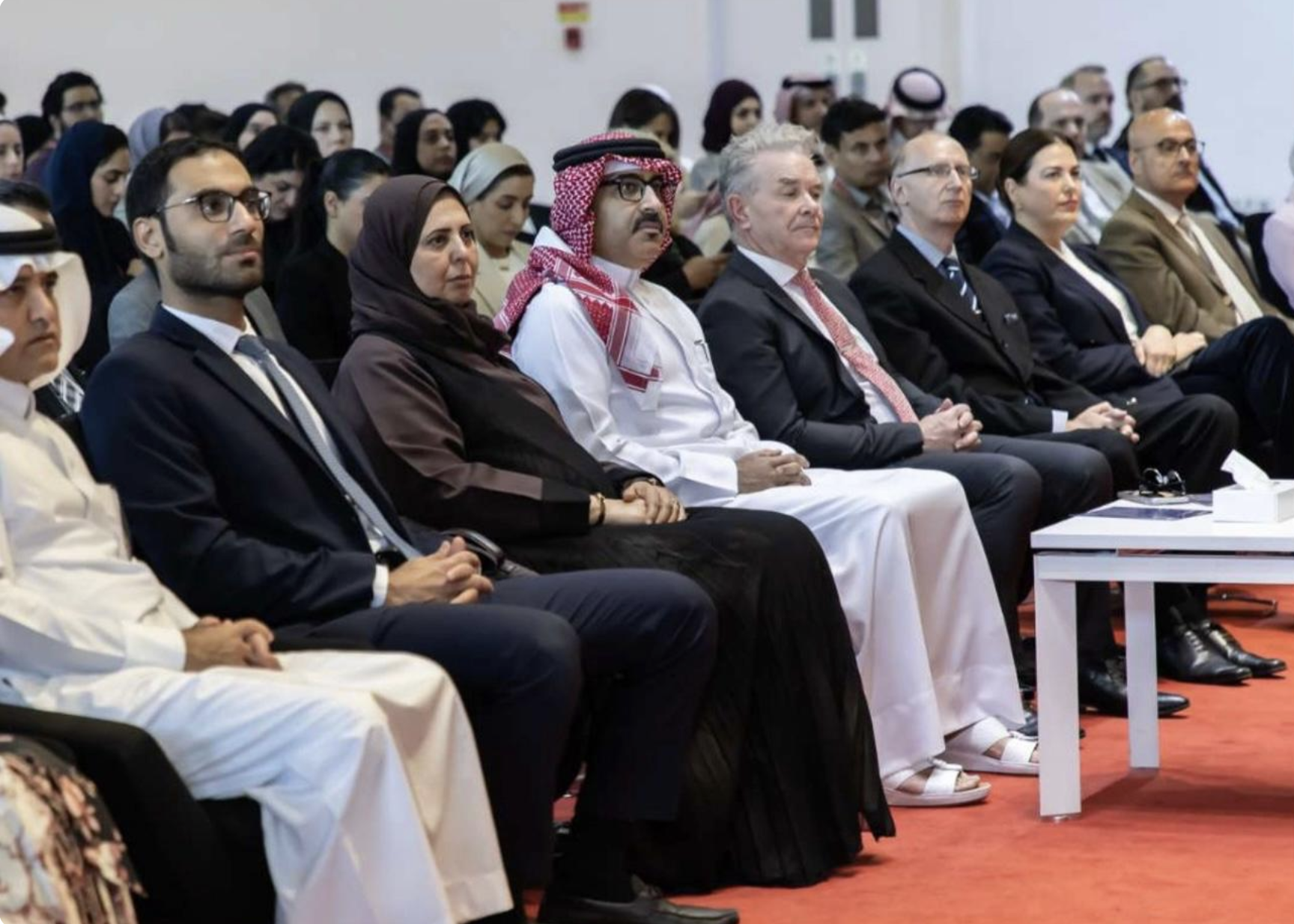
Last week I had the privilege of attending Bahrain Polytechnic’s Teaching and Learning 2025 conference. The theme — “Can AI Replace Teachers?” — sparked valuable reflection. While many of the presentations focused on practical uses of today’s AI tools, the bigger takeaway for me lay elsewhere. It reaffirmed a belief I’ve long held: that AI, for all its promise, cannot replace the human core of education. Teaching is not just content delivery — it is connection, inspiration and interpretation. As AI becomes more embedded in our systems, we must resist the temptation to reduce education to automation. Instead, we should focus on how AI can support the qualities only humans bring: empathy, communication, critical thinking, ethical judgement — and equally important, the uniquely human capacities for art, imagination and creativity. In the rush to integrate AI, we must remember: students are not datasets, and learning is not a transaction. It is a human journey — one that requires empathy, creativity and care. 𝘛𝘩𝘦 𝘳𝘦𝘢𝘭 𝘰𝘱𝘱𝘰𝘳𝘵𝘶𝘯𝘪𝘵𝘺 𝘪𝘴 𝘯𝘰𝘵 𝘵𝘰 𝘳𝘦𝘱𝘭𝘢𝘤𝘦 𝘵𝘦𝘢𝘤𝘩𝘦𝘳𝘴, 𝘣𝘶𝘵 𝘵𝘰 𝘦𝘯𝘴𝘶𝘳𝘦 𝘈𝘐 𝘪𝘴 𝘶𝘴𝘦𝘥 𝘵𝘰 𝘴𝘶𝘱𝘱𝘰𝘳𝘵 𝘦𝘥𝘶𝘤𝘢𝘵𝘪𝘰𝘯 𝘵𝘩𝘢𝘵 𝘪𝘴 𝘳𝘦𝘭𝘢𝘵𝘪𝘰𝘯𝘢𝘭, 𝘤𝘳𝘦𝘢𝘵𝘪𝘷𝘦 𝘢𝘯𝘥 𝘱𝘶𝘳𝘱𝘰𝘴𝘦-𝘥𝘳𝘪𝘷𝘦𝘯 — 𝘸𝘩𝘦𝘳𝘦 𝘦𝘷𝘦𝘳𝘺 𝘭𝘦𝘢𝘳𝘯𝘦𝘳 𝘪𝘴 𝘴𝘦𝘦𝘯, 𝘤𝘩𝘢𝘭𝘭𝘦𝘯𝘨𝘦𝘥 𝘢𝘯𝘥 𝘦𝘮𝘱𝘰𝘸𝘦𝘳𝘦𝘥.

In a world where machines think faster than us, what gives humans their true edge?
During a quiet moment of reflection, sparked by a conversation with an AI agent, I found myself pondering a profound question: Why do humans continue to strive to learn, create and understand — even as machines surpass us in raw intelligence? Humans don’t just solve problems; we seek to understand 𝘸𝘩𝘺 they matter. We long to belong, to contribute and to create meaning. We push ourselves to climb Everest not simply because it exists, but to feel the limits of our endurance. We went to the Moon not just because it was hard, but because it stirred our curiosity and sense of wonder. At Euro University of Bahrain, education is more than transactional. It’s existential. Our focus goes beyond preparing students for jobs — we prepare them for lives rich with curiosity, courage and contribution. We teach not just to transfer knowledge, but to inspire transformation. Quality education requires investment. But the right education transforms students into leaders ready to thrive in a future where AI does the thinking — while humans bring the wisdom, empathy and imagination that give it meaning. 𝘈𝘵 𝘌𝘜𝘉, 𝘸𝘦’𝘳𝘦 𝘲𝘶𝘪𝘦𝘵𝘭𝘺 𝘴𝘩𝘢𝘱𝘪𝘯𝘨 𝘵𝘩𝘦 𝘧𝘶𝘵𝘶𝘳𝘦 — 𝘰𝘯𝘦 𝘵𝘩𝘰𝘶𝘨𝘩𝘵𝘧𝘶𝘭 𝘴𝘵𝘶𝘥𝘦𝘯𝘵 𝘢𝘵 𝘢 𝘵𝘪𝘮𝘦.

Simon Sinek said “You can’t scale special”
It’s a warning that feels especially relevant in education. The pressure to grow quickly — to scale — can often come at the expense of what truly matters: the depth of experience, the quality of relationships and the crafted support that students need to thrive. When you chase volume, the personal connections that make education meaningful start to fray. The time for thoughtful mentoring shrinks. Learning becomes a process to get through, rather than a journey to be lived. That’s why scaling “special” isn’t just difficult — it risks breaking the very thing that made it special. At Euro University of Bahrain, our founders embraced this reality. They drew on a rich European tradition of education that values quality over quantity, relationships over transactions and deep personal growth over fast expansion. Building a university this way takes patience and intention. It’s not the easiest path, but it’s the right one. Because in the end, education isn’t just about producing graduates: it’s about helping individuals realise their potential and contribute meaningfully to society. And that kind of transformation can’t be rushed. 𝗧𝗿𝘂𝗲 𝘃𝗮𝗹𝘂𝗲 𝗶𝘀𝗻’𝘁 𝗳𝗼𝘂𝗻𝗱 𝗶𝗻 𝗵𝗼𝘄 𝗳𝗮𝘀𝘁 𝘆𝗼𝘂 𝗴𝗿𝗼𝘄, 𝗯𝘂𝘁 𝗶𝗻 𝘄𝗵𝗮𝘁 𝘆𝗼𝘂 𝗿𝗲𝗳𝘂𝘀𝗲 𝘁𝗼 𝘀𝗮𝗰𝗿𝗶𝗳𝗶𝗰𝗲 𝗮𝗹𝗼𝗻𝗴 𝘁𝗵𝗲 𝘄𝗮𝘆.

Some of the most impactful leaders I’ve seen in higher education aren’t the loudest ones
𝐇𝐞𝐫𝐞’𝐬 𝐰𝐡𝐚𝐭 𝐈’𝐯𝐞 𝐨𝐛𝐬𝐞𝐫𝐯𝐞𝐝: The visionary often gets the spotlight: bold ideas, big statements, sweeping ambition. But meaningful, lasting change? It often comes from a different kind of leader. These are the ones who show up every day with quiet focus. They do the hard work for progress, not applause. Their contributions may not trend or headline, but over time, they shape the institution in profound ways. They understand that strategy doesn’t live in presentations. It lives in the daily decisions, the operations, the quiet coordination that moves things forward — slowly, but with purpose. They balance the urgency of now with the patience to build for ten years ahead. They listen. They adapt. They move with intent, not ego. For them, success isn’t about being right — it’s about getting it right. In the Middle East, as higher education accelerates, we need more of this kind of leadership: grounded, thoughtful, committed to mission over moment. Not all impact is loud. These are the leaders who shaped the institutions I admire most — not with noise, but with discipline and care.
Empowering Learners with skills for Tomorrow
At Euro University of Bahrain, our commitment goes beyond academic knowledge. Across all our programmes — Business, Computing, and Law — we focus on equipping learners with the Global Employability Skills that today’s employers actively seek. In today’s fast-changing workplace, technical know-how alone isn’t enough. Employers value creativity to drive innovation, emotional intelligence to build strong teams, adaptability to navigate uncertainty and communication skills that connect ideas and people. These are the abilities that make the difference between simply doing a job and truly thriving in a career. Through a curriculum designed with these real-world demands in mind, complemented by practical experiences and dedicated career support, we prepare learners to confidently meet challenges and seize opportunities. Our partnership with the University of London Careers Service adds tangible benefits for EUB learners, including exclusive access to career planning tools, recruitment preparation resources, webinars, alumni networks and personalised guidance — all aimed at enhancing employability from day one. Our goal is simple: to help every learner grow into a professional ready not just to succeed, but to lead with purpose, resilience and impact.
The Power of Global Education: Shaping Future Leaders
In a time of deep interconnection and fast-moving change, the value of a university education lies not only in the degree it confers, but in the perspectives it cultivates. As our economies and societies become more globally intertwined, the ability to think beyond one’s immediate context is no longer a luxury—it’s a necessity. This is where global education has particular relevance. At its core, a global education is about perspective. It challenges students to examine issues not only from a local or regional viewpoint, but from a broader, comparative lens. This doesn’t mean abstract internationalism. It means enga ging with ideas, case studies, and academic frameworks developed in different contexts—and asking how they apply to one’s own environment. For example, in a business class, students might explore governance models from the UK, the US, and the Gulf, and ask why they differ—and what can be learned from each. In legal studies, examining both common and civil law traditions encourages a deeper understanding of one’s own system. In computing, applying international data standards or using globally adopted tools prepares students for workplaces no longer limited by geography. At Euro University of Bahrain, through our academic partnership with the University of London, we offer programmes designed by leading UK institutions. But the delivery is local, in-person, and contextualised. Students are part of a classroom community here in Bahrain—learning from faculty with international experience and global academic training, while also understanding the realities of our region. Degrees should not be transactional. They should not be seen as checkboxes to be acquired quickly. A university education should stretch how a student thinks, challenge what they assume, and prepare them for complexity. It should open doors not only to jobs, but to ideas. The skills students gain in this environment—critical thinking across cultures, adaptability in uncertain conditions, and the ability to work within multiple frameworks—are increasingly valuable in the labour market. Employers operate in cross-border networks, even when headquartered locally. Whether it’s a Bahraini bank building AI tools with European partners, or a logistics firm navigating African and Asian markets, the expectation is clear: graduates must be globally competent, not just locally prepared. It’s easy to speak of globalisation in abstract terms. But in education, it’s a practical question: are we preparing students to contribute meaningfully in a world they will inherit—a world more diverse, more complex, and more interconnected than ever before? At EUB, our commitment is to ensure the answer is yes. Not by sending students abroad, but by bringing global education here—into our classrooms, our curriculum, and our conversations. In doing so, we help shape graduates who are not only career-ready, but world-ready.

Basseerah: Access to justice in Family courts in the UK
Speaker: Dr. Ana Speed, Assistant Professor of Law at Northumbria University, UK. Join us for this engaging lecture with Dr. Speed, a qualified solicitor since 2016, who currently serves as a clinical supervisor at Northumbria University’s Student Law Office, where she oversees students managing a broad spectrum of family law cases, imparting essential practical experience and guidance. Dr. Speed will present her latest research offering an in-depth analysis of the systemic challenges and potential reforms within the UK family court system. This event promises to provide valuable insights and foster scholarly discussions aimed at enhancing access to justice. When: Wednesday 7 May 2025 Time: 3.30pm Bahrain Time (1.30pm UK time) Lecture starts promptly at 3.30pm followed by Q&A. This event is free and open to all. Where: This is an online event. The Zoom joining link will be emailed to all Eventbrite registered attendees on event day. Event registration link: Eventbrite | RESEARCH EVENT: Access to justice in Family courts in the UK About BASSEERAH Lecture Series Engage with Euro University of Bahrain’s inaugural lecture series that brings together experts from various fields to share their research knowledge and insights. Discover new perspectives, engage in thought-provoking discussions, and expand your horizons. Whether you’re a student, professional or seasoned academic, this lecture series offers a unique opportunity to learn from experienced speakers. Don’t miss out on this enriching experience!
The Value of Purposeful Education
The best education doesn’t just prepare you for a job—it equips you for a lifetime of decisions. One of the things I’ve come to value most in higher education is this: the impact isn’t always immediate, but it’s always cumulative. The best education doesn’t just prepare you for a job—it equips you for a lifetime of decisions At Euro University of Bahrain, we’ve committed to building something rooted in depth and designed for real-world readiness. Yes, we offer globally recognised degrees through our partnership with the University of London—but more importantly, we align with a tradition of European education that values clarity of thought, intellectual integrity and long-term growth. Across disciplines, our students benefit from academic direction provided by some of the UK’s most respected institutions—Goldsmiths, Royal Holloway, and others—ensuring they are challenged by a curriculum that is both rigorous and internationally aligned. This is especially true in law, where we follow the academic direction of the University of London Laws Consortium—a group of elite UK law schools committed to deep analytical learning and intellectual discipline. And readiness, for us, isn’t abstract. Every student—even those in our foundation year—is offered access to internships and vocational experiences. Because learning should never be confined to the classroom. When you connect theory with practice from the start, confidence and capability grow together. I believe education should shape how a person thinks, decides, collaborates, and contributes—far beyond graduation. Isn’t that what education should be about?