Navigating by What We Measure
08/01/2026 2026-01-29 13:57Navigating by What We Measure
The start of a new year is a natural point for institutional reflection. It offers a moment to step back from day-to-day activity and look more deliberately at progress, priorities and direction.
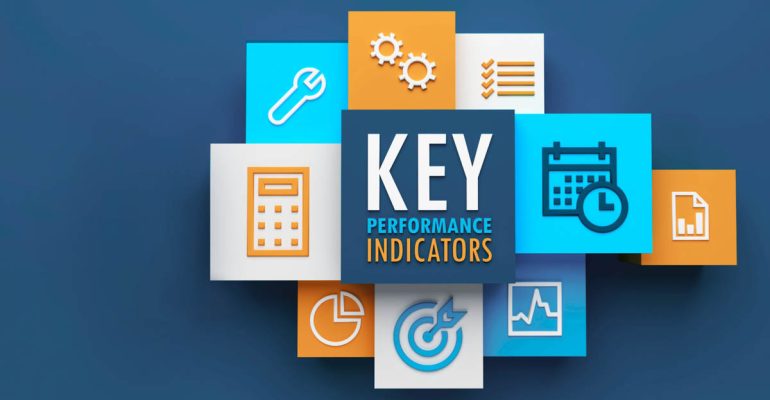
Over the past few weeks, I have been working closely with the senior team to review our Key Performance Indicators (KPIs) and to reflect on our progress against the Strategic Plan.
This kind of review matters — not because KPIs are inherently important, but because how we use them says a great deal about our culture.
I have always believed that KPIs only have value if we are prepared to be honest about them. When a target is being met, we should understand why. When it is not, we should resist the temptation to explain it away and instead ask what needs to change.
That sounds obvious, but it is harder in practice than many organisations care to admit.
KPIs can easily become a comfort blanket — a collection of numbers that reassure us everything is under control. Used badly, they reward optimism over accuracy and narrative over reality. Used well, they do something much more valuable: they tell us where to focus our attention.
Honesty before optimism
At EUB, we have taken a deliberately structured approach to how KPIs are defined, owned and reviewed. Every indicator exists for a reason. Every one has a clear owner. Every one is measured in a defined way and reviewed at an agreed point in time.
But structure alone is not enough.
What really matters is the mindset we bring to the review process. If a KPI is behind target, the question is not “how do we justify this?” but “what does this tell us — and what will we do next?”
That distinction matters. The first question leads to defensiveness. The second leads to learning.
Strategy as a living process
I have long believed in agile plan–do–act–review cycles. Strategy is not something we write once and admire. It is something we test against reality, adjust when necessary, and take collective responsibility for delivering.
This is particularly important for a young university.
Some of our KPIs stretch us immediately. Others are intentionally phased or activated only when they become meaningful. That is not weakness — it is realism. Measuring something before it can genuinely inform action rarely improves outcomes. Waiting until it can does.
Reviewing progress against a strategic plan is therefore not about passing judgement. It is about asking whether our assumptions still hold, whether our actions are producing the effects we expected, and whether our priorities remain the right ones.
Sometimes the answer is yes. Sometimes it is not. Both answers are useful.
From measurement to action
A KPI that does not lead to action is not a KPI worth having.
Where performance is strong, we should understand what is working and protect it. Where performance is falling behind, action plans matter more than explanations. That might mean reallocating resources, changing processes, adjusting timelines, or — occasionally — revisiting the target itself.
None of this is about blame. It is about intent.
Intentional action requires clarity, and clarity requires shared understanding. This is why collective reporting matters. Progress, or lack of it, does not belong to individuals operating in isolation. It belongs to the institution.
Universities are complex communities. No single team, department or leader ever delivers strategy alone. Progress emerges from alignment, coordination and trust.
Why this matters
It is tempting to see KPIs as an internal management concern, something that sits behind the scenes and has little relevance beyond leadership meetings.
I don’t see them that way.
How a university measures itself influences how it behaves. It shapes priorities, signals values, and reveals what really matters when trade-offs are required. Students, staff and partners notice this, even if they never see a dashboard.
They notice whether commitments are followed through. They notice whether decisions are consistent. They notice whether values are lived or merely stated.
Honest measurement supports trust. Trust supports confidence. Confidence supports progress.
Looking ahead
As we continue to review our progress against the Strategic Plan, my focus is less on whether every indicator is currently on track, and more on whether we are learning effectively and acting deliberately.
Progress rarely comes from pretending everything is fine. It comes from noticing when it isn’t — and responding thoughtfully, collectively and with intent.
That is the purpose of KPIs. Not to impress or reassure, but to act as navigational markers — showing us where we are, and whether we are still heading in the intended direction. Used well, they help us correct course early, rather than to have to react more strongly at a later date.